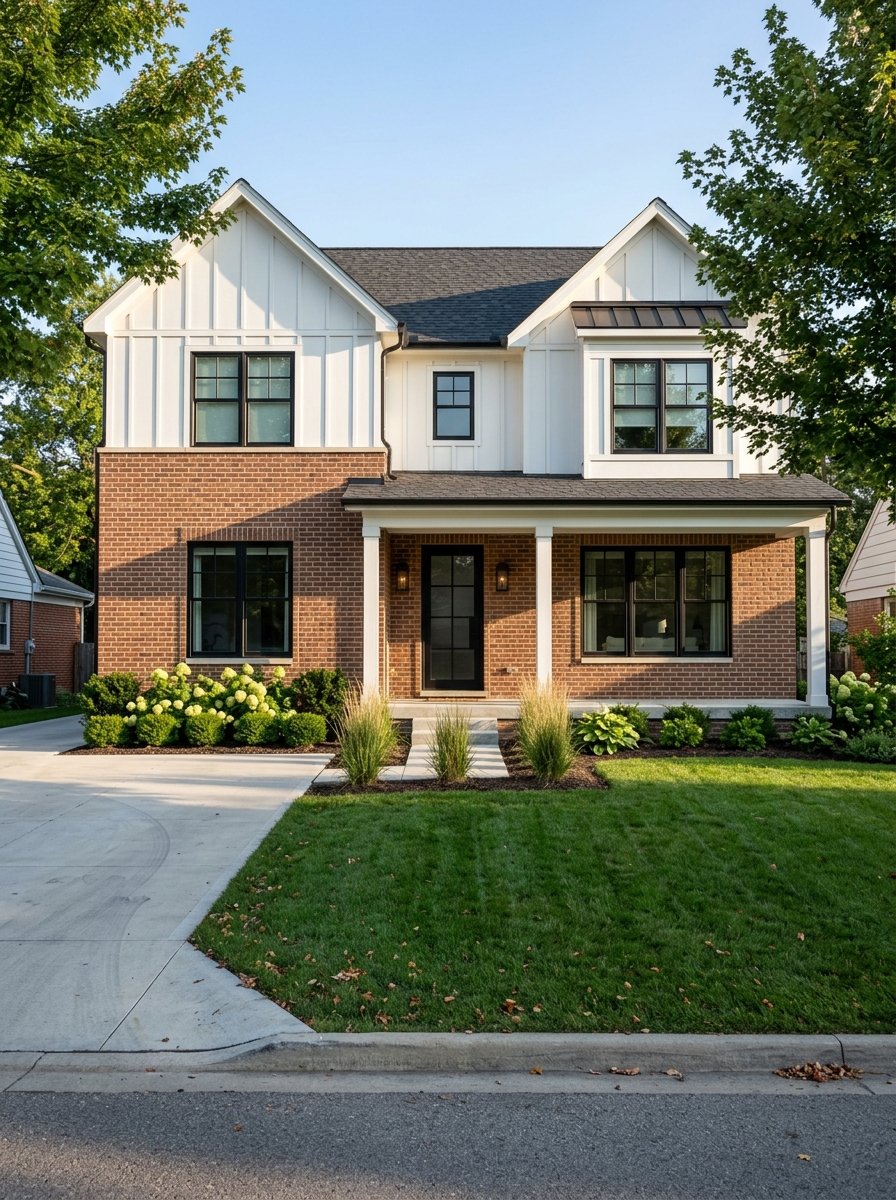
If you are looking for a Columbus-area suburb that feels established, active, and easy to settle into, Westerville often lands on the shortlist for good reason. You may be wondering whether it offers the right mix of neighborhood variety, daily convenience, and lifestyle amenities for the way you actually live. This guide will help you picture what day-to-day life in Westerville looks like, from housing and commute patterns to parks, Uptown energy, and recreation. Let’s dive in.
Westerville at a glance
Westerville is a city of about 38,165 residents, according to the 2025 Census estimate. It has a 72.5% owner-occupied housing rate, a median owner-home value of $374,500, a median gross rent of $1,364, and a mean commute time of 19.4 minutes. Those numbers point to a well-established suburban market with a strong homeowner base and a manageable commute profile.
The city also presents Westerville as a highly walkable community with a wide range of housing types. In the city’s 2025 housing survey, 89% of residents agreed Westerville offers a good mix of commercial, office, and residential land uses, while 69% agreed it offers a good variety of housing choices. In practical terms, that means Westerville tends to feel more layered and lived-in than a one-note suburb.
Westerville lifestyle
A suburb with an active feel
One of the biggest draws of Westerville is that it offers more than just rows of houses. You have neighborhoods, parks, trails, local businesses, civic spaces, and community events all working together to create a fuller day-to-day experience. For many buyers, that balance is what makes the city feel established rather than still figuring itself out.
You can also see that in how the city is laid out. Some areas feel more historic and walkable, while others lean newer or more residential. That variety gives you more flexibility if you want a home that matches your budget, style, and routine.
Walkability and daily convenience
Westerville describes itself as highly walkable, and many parks are within walking distance for residents. Uptown adds to that with its compact historic district, where shopping, dining, and events create a more pedestrian-friendly environment. If you value being able to get out and move around without always needing a long drive, that can be a meaningful plus.
At the same time, Westerville still functions like a suburb in the Columbus metro. You can enjoy pockets of walkability while keeping easy access to everyday errands, major roads, and larger shopping destinations. That blend tends to appeal to buyers who want convenience without giving up neighborhood character.
Parks and trails in Westerville
Outdoor access is a major perk
If you love outdoor space, Westerville has a lot to offer. The city says it has 26 parks, more than 650 acres of parkland, 67 acres of wetlands, and 51 miles of paved recreational trails. Those trails run through parks, wooded areas, fields, neighborhoods, and along streets, roads, and rivers.
That kind of trail network can shape your routine in a real way. Whether you enjoy walking, running, biking, or just getting outside after work, the system gives you options across the city. Westerville is also recognized as an official Bicycle Friendly Community, which supports its reputation as an active place to live.
Recreation goes beyond green space
Westerville’s parks system is not just about open land. The city says Parks and Recreation offers more than 1,300 recreation opportunities each year, and individual parks include practical amenities like playgrounds, shelters, sports fields, pickleball, fishing areas, wooded spaces, and wetlands.
The Westerville Community Center adds another layer to that lifestyle. This recently renovated 145,000-square-foot facility includes aquatics, fitness, gym space, childcare, eSports, a senior center, and the only indoor public climbing wall in Westerville. Seasonal fun also includes Highlands Park Aquatic Center, with a lazy river, slides, a zero-entry toddler pool, a spray playground, and an eight-lane 25-meter pool.
Uptown Westerville and local character
The heart of the city
Uptown Westerville is the historic shopping district and remains a big part of the city’s identity. Located next to Otterbein University, it blends shopping, dining, entertainment, and events with a more traditional main street feel. If you want a suburb with a recognizable center, this is one of Westerville’s strongest lifestyle features.
Rather than feeling dominated by big-box retail, Uptown is known for boutiques, dining, cocktails, and ice cream. The city also supports outdoor dining and a designated outdoor refreshment area, or DORA. That helps create a lively street scene that feels social and local.
Community events add energy
Westerville’s event calendar helps the city feel active beyond the workweek. Recurring events include the Westerville Saturday Farmers Market and 4th Fridays in Uptown. In 2025, Uptown Westerville Inc. said the district hosted more than 60 events with nearly 175,000 total attendance.
For residents, that can mean more reasons to stay local and enjoy the city you live in. It also adds to the sense that Westerville is not just a place to sleep between commutes. There is a visible community rhythm here, especially around Uptown.
Housing in Westerville
What the housing mix looks like
Westerville offers a broad housing mix, though single-family homes make up the largest share. The city’s 2025 housing study summary says 82.7% of homes are single-family, 4% are in 2-to-4-unit buildings, and 13% are in buildings with 5 or more units. It also says 64.2% of homes are owner-occupied with 3 or 4 bedrooms.
That housing mix can work for a wide range of buyers and renters. If you are shopping for a traditional suburban layout, Westerville has plenty of options. If you are looking for something with a different footprint or lower-maintenance setup, there are also multifamily and mixed-use possibilities in certain parts of the city.
Neighborhood variety matters
The city’s neighborhoods page describes homes ranging from traditional starter homes to executive-style homes. It also notes a mix of older and newer homes, small lots and larger lots, plus some properties that feel more rural than urban. That kind of variation can make your home search more interesting, but it also means each area can feel pretty different from the next.
Uptown adds another layer with homes dating back to the 19th century and bed-and-breakfast properties in the district. On the planning side, the South State corridor allows multifamily residential in mixed-use districts. Together, those details reinforce that Westerville’s housing story is not one-size-fits-all.
Growth and future housing supply
Westerville is also thinking ahead about future housing needs. The city’s community plan identified most remaining developable land in the north along Cleveland Avenue and Polaris Parkway. The city is also actively studying attainable housing needs.
That planning context matters if you are weighing Westerville as a long-term move. It helps explain why conversations about new construction, redevelopment, and housing choice continue alongside the city’s more established housing stock. If you want a suburb with both history and forward planning, Westerville checks that box.
Commuting from Westerville
Driving is the main mode
For many residents, driving is still the simplest way to get around. Westerville is about 15 miles from downtown Columbus and about 10 miles from John Glenn International Airport. The city also highlights convenient access to major interstates.
If you work in Columbus or need to move around the region often, that location can be practical. Westerville gives you suburban living while keeping you connected to the broader metro. The mean commute time of 19.4 minutes also supports the idea that many residents have a relatively manageable daily drive.
Transit is available, but limited
Westerville does have public transit access, though it tends to function more as a supplement than a full replacement for driving. COTA Plus provides on-demand weekday service from 5:30 a.m. to 8 p.m., with weekend service limited to occasional special events. The service zone includes Otterbein, Uptown, and Polaris.
That zone also connects to fixed-route lines 41, 43, 102, and CMAX. CMAX runs between downtown Columbus and the OhioHealth Westerville Medical Campus, while Line 102 connects toward Graceland Shopping Center, Worthington, and Polaris Fashion Place. If transit matters to you, it is worth knowing that service exists, but most households will likely still rely mainly on a car.
Is Westerville a good fit for you?
Westerville often appeals to people who want an established suburb with real amenities and a sense of place. The combination of trails, parks, recreation facilities, Uptown events, neighborhood variety, and regional access gives it a more complete lifestyle picture than some purely residential communities. It can be especially appealing if you want a suburb that feels active without feeling overwhelming.
It may be a strong fit if you want:
- A suburb with a historic downtown feel
- Lots of parks and paved trails
- Primarily single-family housing with varied neighborhood styles
- Access to Columbus, Polaris, and the airport
- A community with events and local gathering spaces
Like any move, the right fit depends on your goals, budget, and preferred home style. In Westerville, one street or neighborhood can feel very different from another, which is why local guidance matters when you start narrowing your options.
If you are considering a move to Westerville, having someone who can help you compare neighborhoods, housing styles, resale potential, and day-to-day fit can make the process much clearer. Allie Beebe offers the kind of thoughtful, high-touch guidance that helps you move with confidence.
FAQs
What is the overall feel of living in Westerville, Ohio?
- Westerville feels like an established, amenity-rich suburb with a strong homeowner base, varied housing options, walkable pockets, and a moderate commute profile.
What are parks and trails like in Westerville, Ohio?
- Westerville has 26 parks, more than 650 acres of parkland, 67 acres of wetlands, and 51 miles of paved recreational trails, plus recreation facilities like the Community Center and Highlands Park Aquatic Center.
What is Uptown Westerville like for shopping and dining?
- Uptown Westerville is the city’s historic shopping district and features boutiques, dining, entertainment, outdoor dining, and frequent community events such as the farmers market and 4th Fridays.
What types of homes are available in Westerville, Ohio?
- Westerville includes mostly single-family homes, along with some smaller multifamily and larger multifamily properties, and the city describes options ranging from starter homes to executive-style homes.
How easy is commuting from Westerville, Ohio?
- Westerville offers convenient driving access to downtown Columbus, John Glenn International Airport, and major interstates, while COTA Plus and fixed-route transit provide limited public transportation options.